Scott 3200A Tailwheel – Fully Rebuilt: Durable Tailwheel Steering and Landing Gear Solution
Scott 3200A Tailwheel – Fully Rebuilt: Durable Tailwheel Steering and Landing Gear Solution
Blog Article
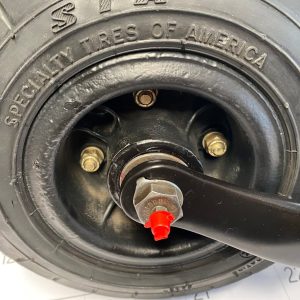
The Scott 3200A Tailwheel – Fully Rebuilt offers a dependable replacement option for suitable taildraggers requiring responsive steering, smooth swiveling, and reliable aircraft ground handling. Clear rebuild records help aircraft owners and maintenance professionals evaluate the tailwheel before installation.
The Scott 3200A Tailwheel Assembly combines wheel support, directional steering, swiveling capability, and tail-load management within one compact component. A Scott Tailwheel Assembly should be evaluated as a complete mechanical system rather than judged only by its tire, fork, paint, or visible exterior hardware.
The Aircraft Tailwheel Assembly should remain properly aligned, lubricated, secured, adjusted, and compatible with the complete aircraft steering system. The General Aviation Tailwheel should receive maintenance based on actual use, operating surface, contamination exposure, and observed condition.
Whether operators are sourcing a Heavy-Duty Aircraft Tailwheel, Tailwheel Aircraft Parts, or Aircraft Steering Tailwheel, condition and documentation should remain central.
Key Benefits of a Rebuilt Scott 3200A
The Scott 3200A combines mechanical steering and swivel functions in a design familiar to many tailwheel pilots, restorers, and aviation maintenance professionals. Maintenance personnel should inspect the complete tailwheel arrangement before concluding that one component is responsible for steering difficulty or shimmy.
Scott 3200A Tailwheel Applications
The Scott 3200A Tailwheel Assembly includes a wheel-and-fork structure combined with steering and swiveling mechanisms for suitable tailwheel-equipped airplanes. A rebuilt unit may include inspected housings, renewed bearings, replacement bushings, serviced steering components, fresh lubrication, suitable hardware, and adjusted internal parts.
Scott Tailwheel Reliability and Condition
Correct lubrication and careful reassembly help restore smooth movement and reduce unnecessary wear. Cosmetic refinishing should remain secondary to mechanical condition and structural integrity.
How an Aircraft Tailwheel Assembly Works
An Aircraft Tailwheel Assembly allows the rear of the airplane to roll and respond to steering input during ground movement. The tail spring and steering linkage strongly affect how the assembly responds to pilot input.
General Aviation Tailwheel Maintenance
Each operating environment places different demands on the tire, wheel, fork, bearings, steering mechanism, hardware, and lubrication. Experimental aircraft installations should be evaluated according to the builder’s configuration and applicable operational requirements.
Choosing an Aircraft Tailwheel
The tailwheel contributes to directional control as the aircraft transitions between stationary, taxi, acceleration, deceleration, and landing rollout. The wheel should rotate smoothly without excessive side play, roughness, binding, or abnormal drag.
Benefits of a Taildragger Tailwheel
The Taildragger Tailwheel should be treated as an important ground-control component rather than a minor accessory. Responsible operation can extend Taildragger Tailwheel service life.
Understanding an Aviation Tailwheel System
Every component influences how steering input reaches the wheel and how operational loads return to read more the aircraft. Left and right steering connections should be inspected for matching condition and correct installation.
Tailwheel Steering Assembly Performance
Wear in these components may create looseness, poor tracking, inconsistent engagement, or delayed control. The full steering and swivel range should be checked after installation.
Maintaining Aircraft Ground Handling Components
An Aircraft Ground Handling Tailwheel supports controlled movement during taxi, parking, towing, hangar positioning, and ramp maneuvering. The tailwheel should not be used as an unsuitable lifting, pulling, or jacking point.
Scott 3200 Series Tailwheel Heritage
Historical popularity does not remove the need for exact aircraft compatibility and installation verification. A visually similar tailwheel may contain important differences affecting installation or operation.
Heavy-Duty Aircraft Tailwheel Applications
Rugged operations may involve gravel, grass, dirt, uneven surfaces, frequent cycles, contamination, and repeated loading. Even a robust assembly can wear quickly when the tail spring, steering links, mounting bolts, or alignment are incorrect.
Inspecting Tailwheel Aircraft Parts
Every component should match the intended Scott assembly and aircraft installation. A weak spring, worn bushing, rough bearing, damaged pawl, or incorrect fastener may create movement throughout the mechanism.
Aircraft Tailwheel Directional Control
An Aircraft Steering Tailwheel helps direct the airplane during taxi by responding to the rudder-linked steering arrangement. Pilots should use techniques appropriate to the aircraft and avoid unnecessary mechanical stress.
Benefits of a Replacement Aircraft Tailwheel
The rebuilt Scott 3200A should be compared with both the existing installation and the intended aircraft configuration. Rebuild documentation should accompany the assembly when available.
Choosing General Aviation Landing Gear Parts
Main-wheel alignment, brake condition, tire pressure, and airframe rigging can influence how a taildragger behaves on the ground. Sellers should avoid unsupported claims of universal compatibility, guaranteed serviceability, or immediate installation readiness.
Evaluating a Scott 3200A Tailwheel
The buyer should request enough information for a qualified maintenance professional to review the assembly before purchase.
- Confirm that the assembly is a Scott 3200A, review all visible markings, compare mounting details, and verify the wheel-and-fork configuration for the intended aircraft.
- Arrange professional evaluation when rebuild quality, structural condition, or internal serviceability remains uncertain.
- Retain all purchase and rebuild records with the appropriate aircraft maintenance information.
Installing the Scott 3200A Tailwheel
Professional installation helps protect both the rebuilt Scott 3200A and the aircraft structure. Swivel engagement, release, centering, and directional action should operate consistently.
Testing should begin at low speed in a suitable area under safe conditions.
Routine Tailwheel Inspection and Service
Long-term maintenance includes lubrication, tire inspection, bearing review, steering-link checks, cleaning, fastener inspection, spring evaluation, and monitoring of ground-handling performance. The tailwheel should not be ignored simply because it is positioned behind the pilot’s normal field of view.
Cleaning methods should avoid forcing dirt deeper into bearings, bushings, and internal steering components.
Buying a Fully Rebuilt Scott Tailwheel
The Scott 3200A Tailwheel – Fully Rebuilt can provide a dependable replacement option for compatible aircraft when its rebuild quality, condition, configuration, and documentation are verified. The assembly should be judged according to total installation suitability rather than fresh paint, brand recognition, appearance, or price alone.
Whether operators are sourcing an Aircraft Steering Tailwheel, Replacement Aircraft Tailwheel, or General Aviation Landing Gear Parts, complete condition information supports informed decisions. With transparent rebuild records, secure mounting, serviceable steering components, and careful taxi testing, the Scott 3200A can support predictable ground handling.
Report this page